
Our organic herb garden is available for you to use during your stay with us. In our garden you will find autochthonous Mediterranean plants that play a big role in healthy Croatian cuisine, and many of them also have medicinal properties.

Rosemary
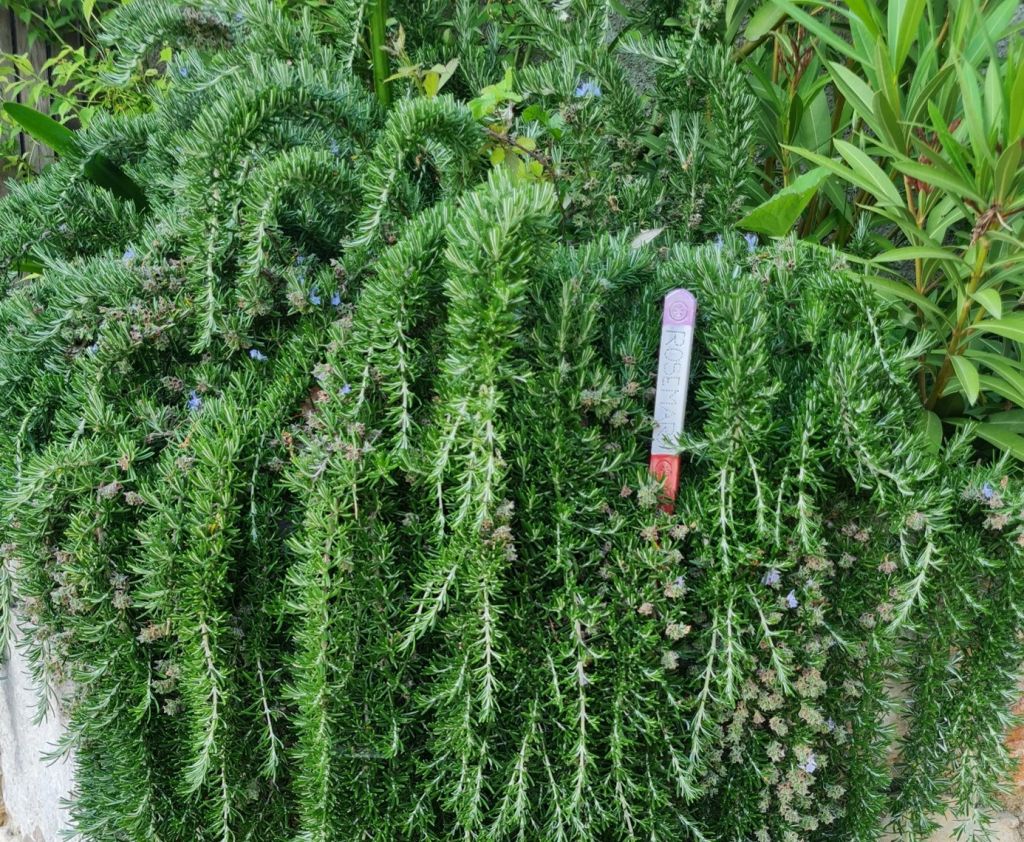
Rosemary (lat. Rosmarinus officinalis), a plant whose name comes from the Latin ros (dew) and marinus (sea), i.e. “sea dew”, which means that the breeze from the sea, which brings moisture, is very favorable for its growth. Rosemary is a bushy evergreen plant with needle-like leaves and fragile light blue flowers, widespread in the sunny and rocky regions of the Croatian coastal area and islands.
Needle leaves have an intense smell and a spicy taste. The flowers, leaves and twigs contain essential oils, the quality of which depends on the climate and on sunny and sheltered positions. It has been a valued spice and natural medicine for more than a thousand years. Rosemary stimulates circulation, improves concentration and cures headaches. Rosemary tea is drunk to improve digestion because it promotes the utilization of the most important ingredients from the foods that are consumed, and it is often a good ally in the fight against kilos because it promotes weight loss.
Rosemary is used to flavor vegetables and meat dishes, and one of our favorite combinations is grilled chicken with lemon, garlic, black pepper and rosemary.
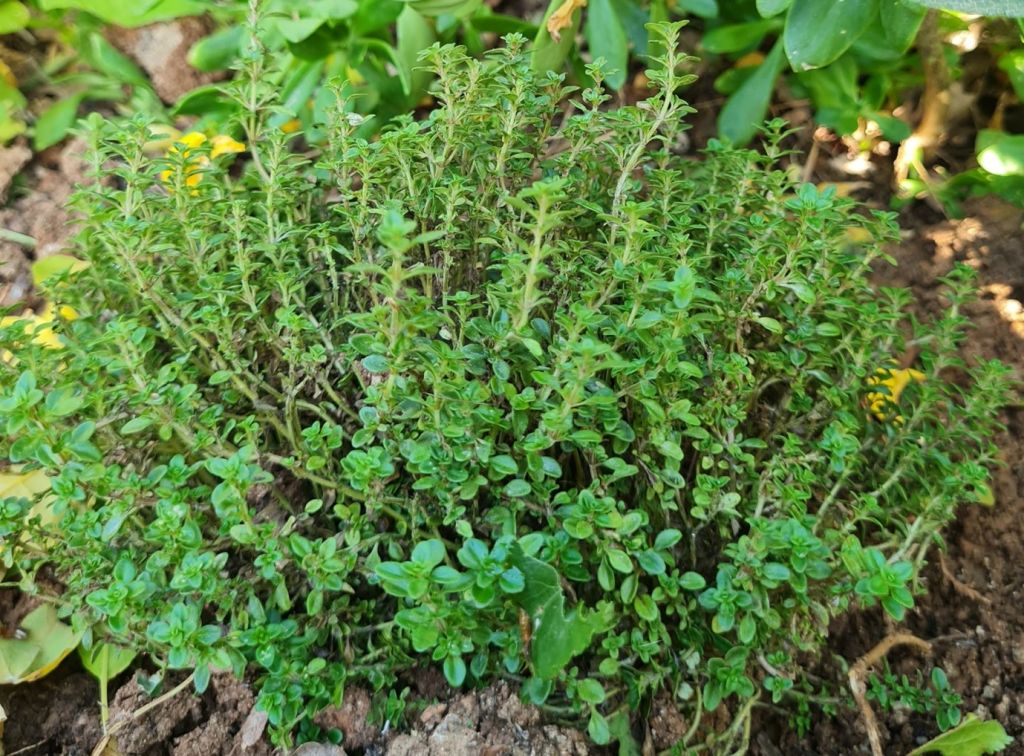
Thyme
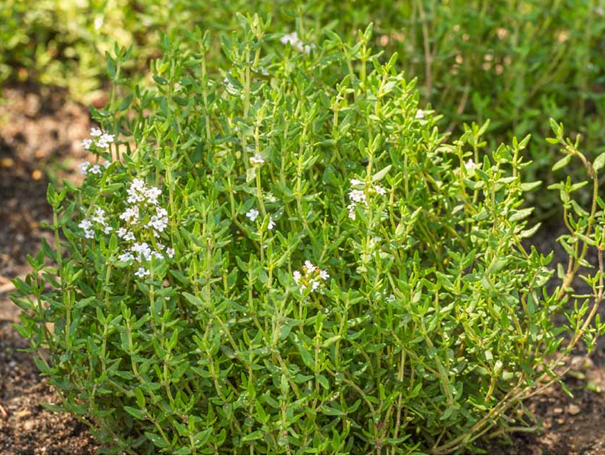
Thyme (lat. Thymus serpyllum) is one of the most important herbs used in Mediterranean cuisine. Its smoky, slightly warm, aromatic taste is represented in numerous typical Mediterranean dishes. Thyme has long been used for medicinal purposes, since the time of Ancient Greece and Egypt. The name “thyme” comes from the ancient Greek word thymos, which means “smoke”. This herb was burned in Greek temples and its enchantingly fragrant smoke was a sign of devotion to the goddess Aphrodite.
Thyme is known for its calming effect, and the smell itself reduces stress and helps relax the muscles in the body. It is used to treat headaches and migraines and to disinfect the mucous membranes of the mouth and throat. It is also used to treat inflammation of the gums and eliminate bad breath. In the winter months, it is also used to alleviate coughs, sore throats and colds and flu. Treatment of anemia and strengthening of the immune system are among the tasks performed by this plant, and it is often mentioned as a remedy for indigestion.
The preparation of thyme tea is very simple and for this it is necessary to pour 1.5-2 g of dry leaves of the plant with about 2 dl of boiling water and cover.
Basil
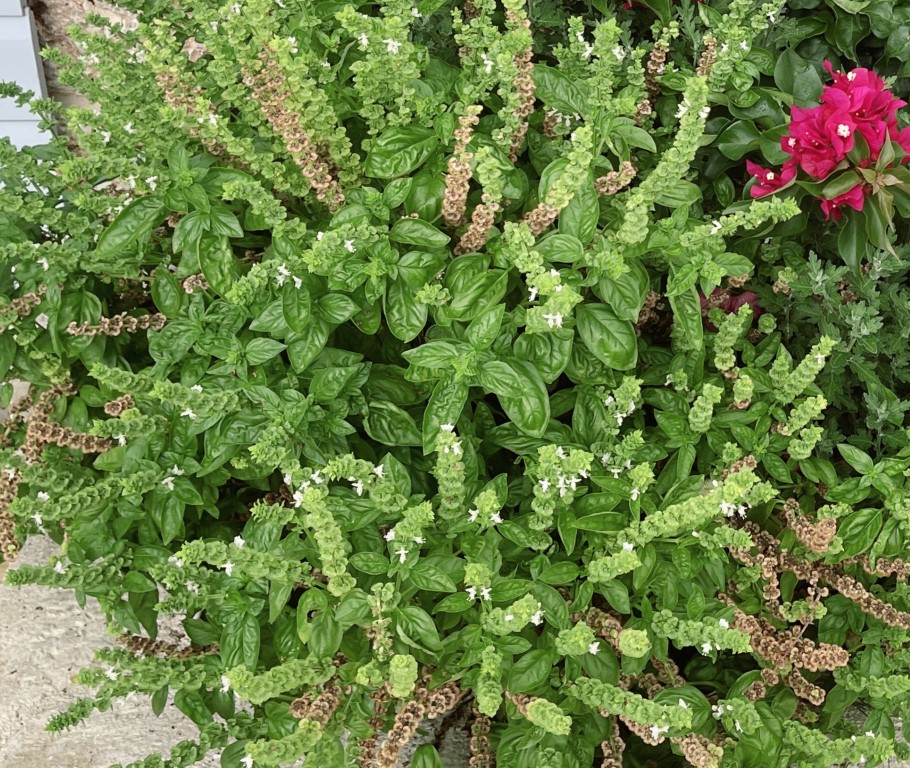
Basil (lat. Ocimum basilicum) is an aromatic annual plant, a well-known spice, but also a medicine. Basilicon is a Greek word meaning ruler (king), so some say that a meal with basil is a royal meal.
Our Mediterranean basil has a mild lemon flavor and is a favorite spice. Dried whole or chopped leaves and flower tops of basil are used as a spice, and fresh leaves are best. Basil in food or as a tea drink stimulates digestion, opens the appetite, removes inflammation, spasms and catarrh of the stomach and intestines, and digestive gases. Basil tea also helps with colds, coughs, asthma and general respiratory diseases. Namely, essential oils have a disinfecting and antibacterial effect. If the tea is drunk before going to bed, it facilitates sleep and calms down, removes restlessness and nervousness.
Basil is a spice for many sauces, pasta, vegetables, tomato, pea and bean dishes. We put it in soups, fresh salads, spreads, in the liquid for cooking fish and on fried fish. It is ideal with cheese and garlic as a spread for an appetizer.
Tear it with your fingers, because a metal knife strips the basil of most of its most important ingredients. As a spice, add it to the dish at the end of cooking so that the valuable and medicinal ingredients do not fall apart during long cooking.
We love cooking with basil, so we recommend that you try basil in salads – chop fresh basil and add it to your tomato or mozzarella salad; in pasta – lightly toasted cherry tomatoes, olive oil and basil form the perfect summer pasta; and on pizza – your pizza will get a new dimension with basil on top.
For pleasant summer evenings, try a lemonade, gin-tonic and basil cocktail.
Lavender
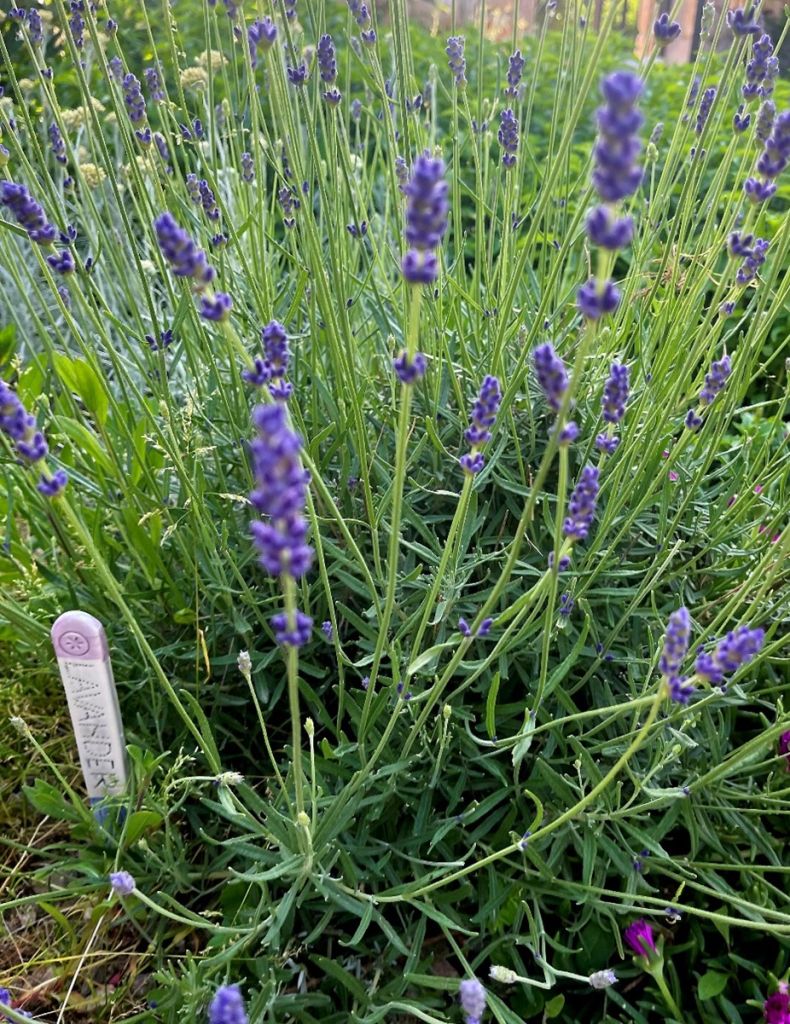
Lavender (lat. Lavandula) is a plant with beautiful purple flowers and an intoxicating smell. From lavender essential oil to lavender soaps and teas, this vibrant purple flower has a wide range of uses. It is known for its calming effects, which makes it the perfect tea for sleeping.
Lavender has been used for more than 2000 years. It is assumed that the word lavender comes from the Roman word lavare, which means to wash. The ancient Romans bathed in scented baths to which they added lavender oil. They also used dried lavender in church ceremonies and childbirth. The Greeks also used lavender, but more for medicinal purposes. It is also a very medicinal plant that stands out for its calming effects. According to Japanese research, even the smell of lavender reduces stress. Therefore, this plant is very effective in the treatment of depression, anxiety and headaches caused by tension. It also has other useful properties – it relieves cramps, stimulates digestion, reduces flatulence and improves bile flow. It is also thought to help with some types of asthma. Lavender has an antiseptic and antibacterial effect, and when used externally it calms minor skin infections, heals insect bites and burns.
If not for health reasons, lavender tea is worth trying for its delicate taste and aromatic smell.
Oregano
Oregano (lat. Origanum vulgare) has a herbal, subtly smoky and warm flavor similar to marjoram and thyme. This Mediterranean herb is unique in that its flavor is more intense when dried than when freshly picked.
Dried and ground leaves are used as a seasoning for dishes. Although we associate it with pizza, the most popular Italian dish, this plant with an intense and strong smell, whose medicinal properties are made up of essential oil and aromatic components, is today an increasingly popular application in health support. Oregano has a wide range of antibacterial, fungicidal (against fungi), antiviral (against viruses) and antioxidant properties.
Immortelle
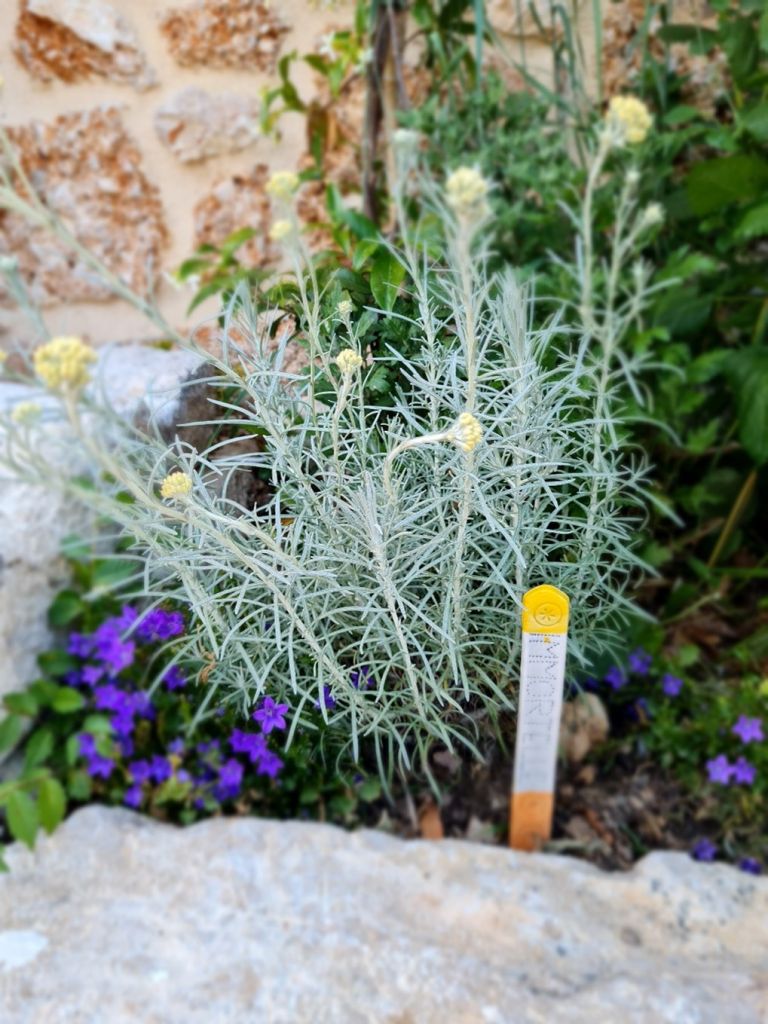
Immortelle (lat. Helichrysum italicum) is a plant for beauty and youth. According to Homer’s epic, the Greek hero Odysseus was shipwrecked and imprisoned on an island. When he finally returned to the Phoenician coast, he met the divine Nausicaa, the beautiful king’s daughter. The secret of its beauty lies in the exceptional oil of the flower, which never fades, even when it is picked. According to myths, the Greek god Apollo also wore a tiara made of a special flower at the entrance to Delphi, with which he wanted to remind the world of his immortality. Although these are only legends, it is known that there are flowers that do not wither, even after being picked. We are talking about immortelle, our native plant that prevails in Mediterranean regions, especially on sunny rocky areas. But what this plant is best known for is its powerful anti-aging effect on the skin.
Immortelle tea is a forgotten remedy for cleansing the liver, and it is also an ideal natural solution for all those who suffer from problematic digestion.
Folk medicine traditionally recommends immortelle tea for the treatment of respiratory organs and coughs, for sensitivity of the nasal mucosa, allergies and headaches, rheumatic complaints, skin diseases (compresses and rinsing).
Sage
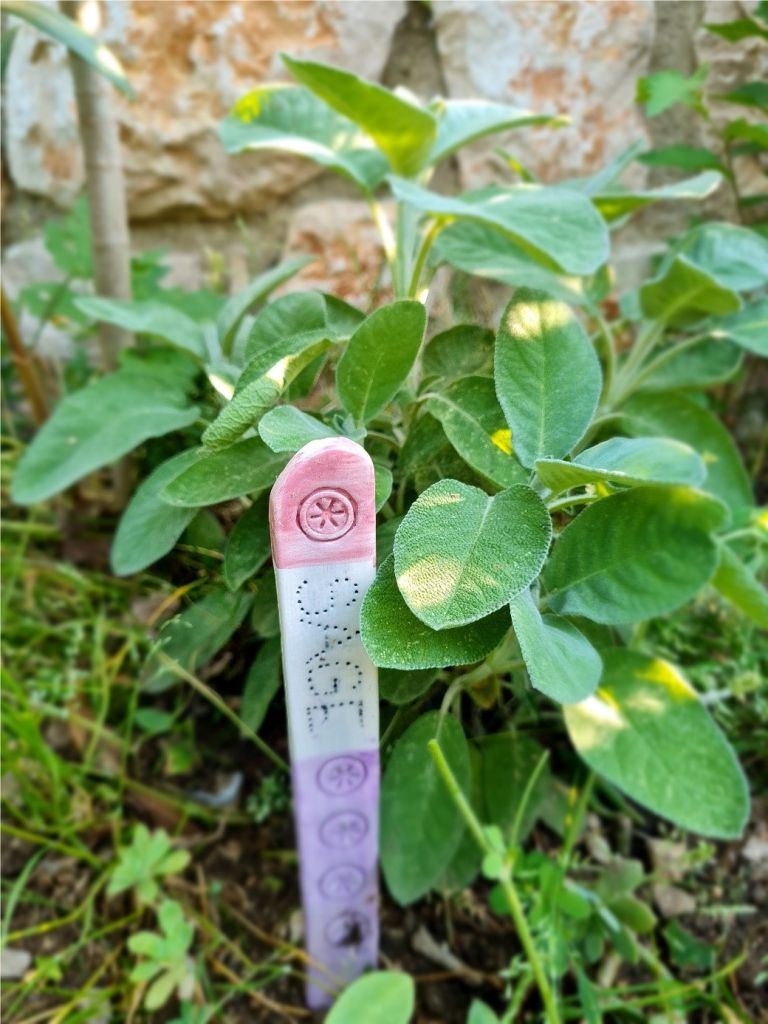
Sage (lat. Salvia) has a beneficial effect on health. For the oral cavity and throat, sage tea is one of the most effective and safest natural medicines, and it is also used for digestive problems, inflammation of the oral cavity, to help regulate sweating, and strengthen the immune system. Sage tea contains a variety of powerful herbal compounds. In particular, its antioxidants work to neutralize harmful compounds called free radicals.
Sage is often used as a spice in Mediterranean cuisine. It is worth trying the recipe with veal, prosciutto and sage, or the Saltimbocca dish.
Mint
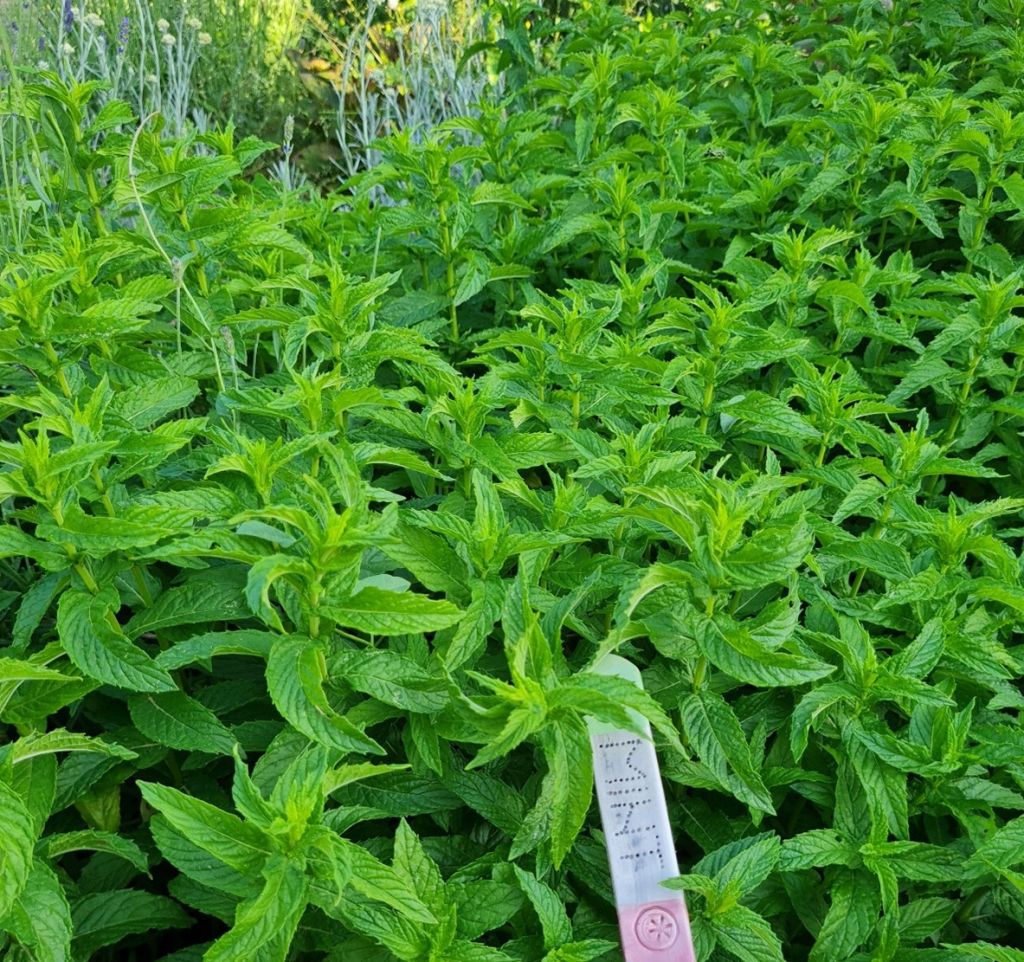
Mint or mint Mint (lat. Mentha) is known as a medicinal plant suitable for the preparation of teas, and it can also be used as a spice in various dishes.
The ancient Romans used mint as a medicine to treat digestive problems, headaches, coughs, urinary difficulties, insect bites and snake bites. Mint as a medicine was also known for its aphrodisiac effect in ancient times. Arabs still drink mint tea to boost their virility. Mint is recognizable by the activation of skin receptors sensitive to cold, during which a cooling sensation occurs. Peppermint helps relieve stress, relieves insomnia, helps with weight loss, prevents gum disease, helps with bad breath, fights infections and inflammation, fights dandruff, acts as an anti-bloating agent and much more. Mint tea is rich in calcium and vitamin B, which stimulate the immune system.
Mint is also widely used in cooking – it is used in the preparation of sweet and savory dishes and various drinks. It can be added to many vegetable dishes, especially chickpeas, which become easier to digest. Mint is most often used as a tea, and goes well with basil, lemon zest and cinnamon.
It goes well with peas, cucumbers and tomatoes, as well as pineapple, lemon, orange and melon. You can add mint to yogurt, but we still prefer it in a Mojito!
Parsley
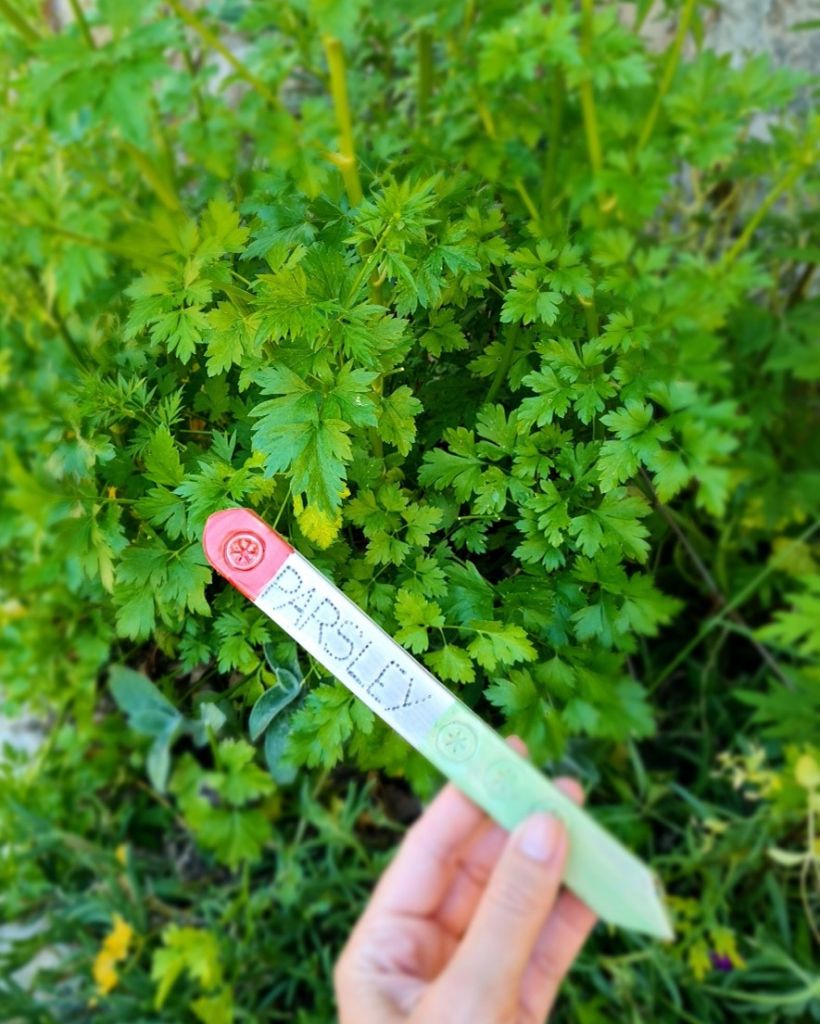
Parsley (lat. Petroselinum crispum) is a plant with dark green leaves that is most often used as a spice. But parsley is not just a decoration on plates, as it has numerous medicinal properties.
Parsley has long been considered an elixir of vitality and is one of the best natural remedies that provides a wealth of vitamins and minerals. In traditional medicine, parsley is used to help eliminate problems related to bad breath, since parsley is rich in iron, it is recommended in the treatment of anemia, it reduces the level of bad cholesterol, it is used to reduce high blood pressure, it helps in the treatment of rheumatoid arthritis, it accelerates recovery from colds and viral infections, it acts as an antioxidant. You can finely chop fresh parsley and add it on top of an omelette, risotto or other favorite dish before serving. You can also add it to soups, stews and salads.
For a good start to the day, you can add it to your morning smoothie.
You can also use parsley in various spreads and sauces such as pesto (together with basil or instead of it).
Each of these plants thrives in a specific growing season, but you will almost certainly be greeted by some of them at any time of the year, just like the fruits of the fruit trees that you will find in the yard – cherries, ciboras and melons.
In the villa you will also find an interesting cocktail booklet, which we hope will be an inspiration for delicious cocktails made with fresh lavender, basil, rosemary, mint or other spices from our garden!

All information is for information purposes only. For the use of medicinal plants for health purposes, consult your doctor.